Book excerpts
Cited passages from the insurance books, highlighted on the page they come from. Each card links into the PDF at the exact page. Regenerated by scripts/gen-book-excerpts.py, which fails the build if a quote no longer matches its page - citations cannot go stale. CII copyright - internal use only.
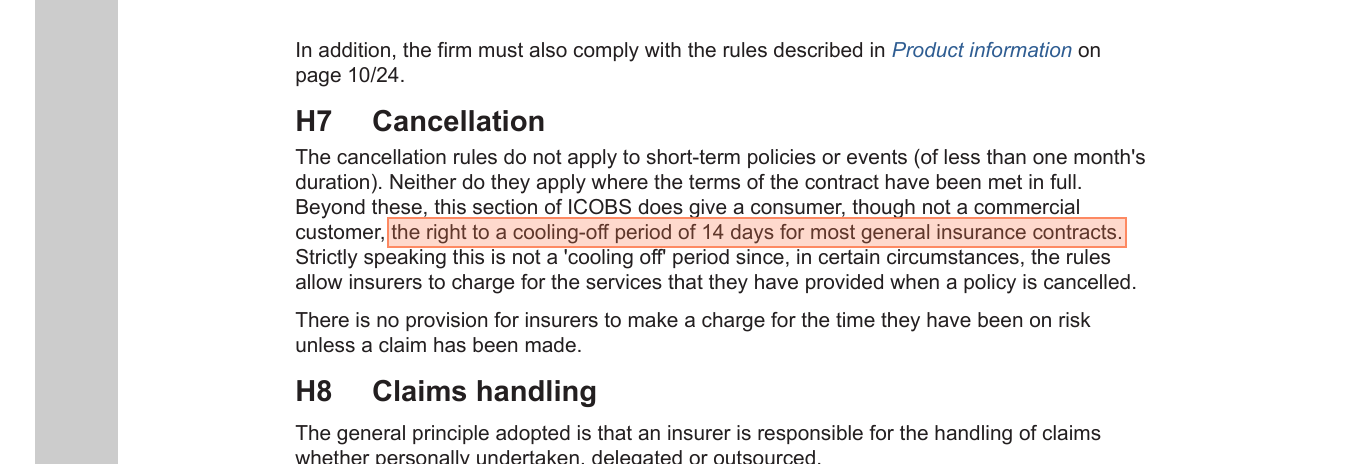
Cooling-off period - ICOBS
IF1 - Insurance, legal and regulatory, p.214 · open in the book ↗
the right to a cooling-off period of 14 days for most general insurance contracts
The statutory basis for the plan's cooling_off_days: 14. The text also notes insurers may charge for services already provided on cancellation.
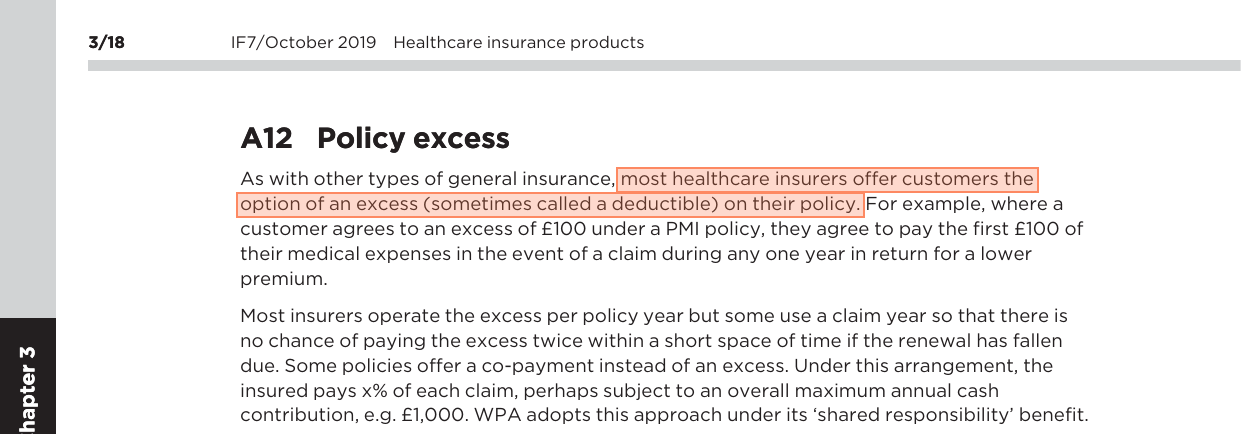
Excess / deductible - member cost-share
IF7 - Healthcare insurance products, p.72 · open in the book ↗
most healthcare insurers offer customers the option of an excess (sometimes called a deductible) on their policy
The industry shape of member cost-sharing. Olly's per-session contribution is the same premium-reducing device, applied per benefit instead of per policy.
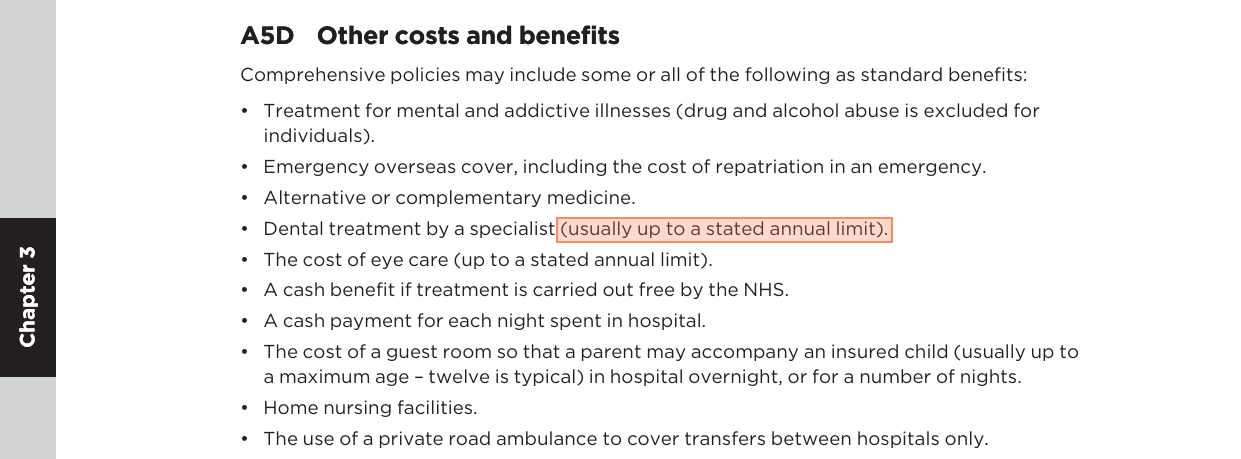
Stated annual limits per benefit
IF7 - Healthcare insurance products, p.64 · open in the book ↗
usually up to a stated annual limit
Per-benefit annual money caps are standard PMI practice - the catalogue's annual_limit encodes this.
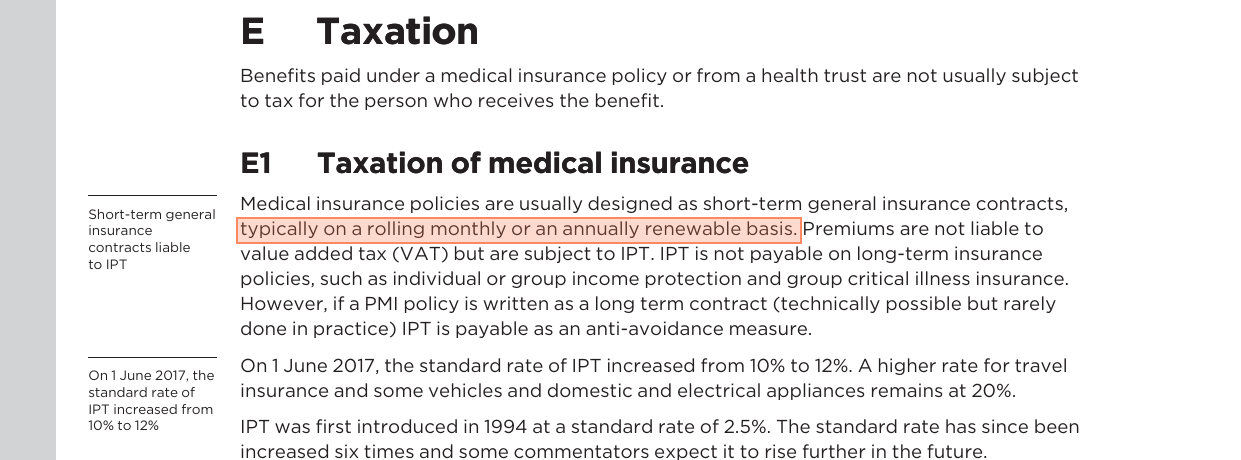
PMI contracts are annually renewable
IF7 - Healthcare insurance products, p.30 · open in the book ↗
typically on a rolling monthly or an annually renewable basis
Why the policy term (not the policy) anchors adjudication and accumulators reset at renewal.
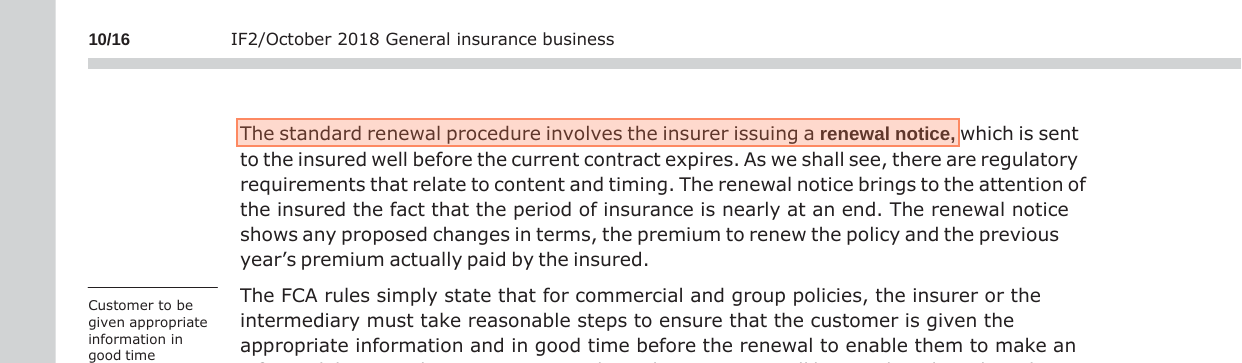
The renewal notice
IF2 - General insurance business, p.186 · open in the book ↗
The standard renewal procedure involves the insurer issuing a renewal notice
The industry-standard renewal mechanic behind term.renewal_notice.
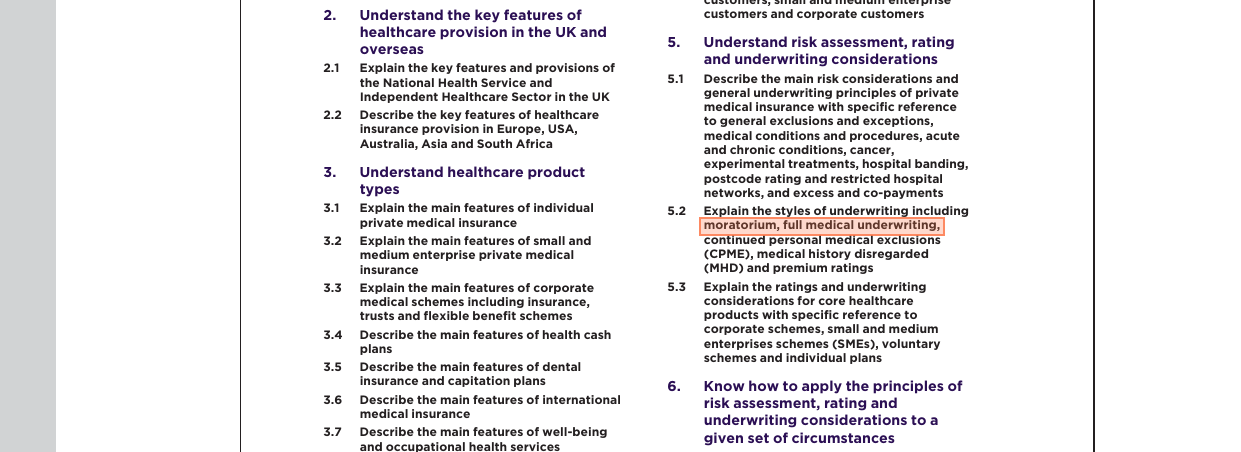
Pre-existing conditions - PECE, moratorium, full medical underwriting
IF7 - Healthcare insurance products, p.8 · open in the book ↗
moratorium, full medical underwriting
PMI's standard approaches to pre-existing conditions. Olly's assessed_at_claim basis is the moratorium-style approach.
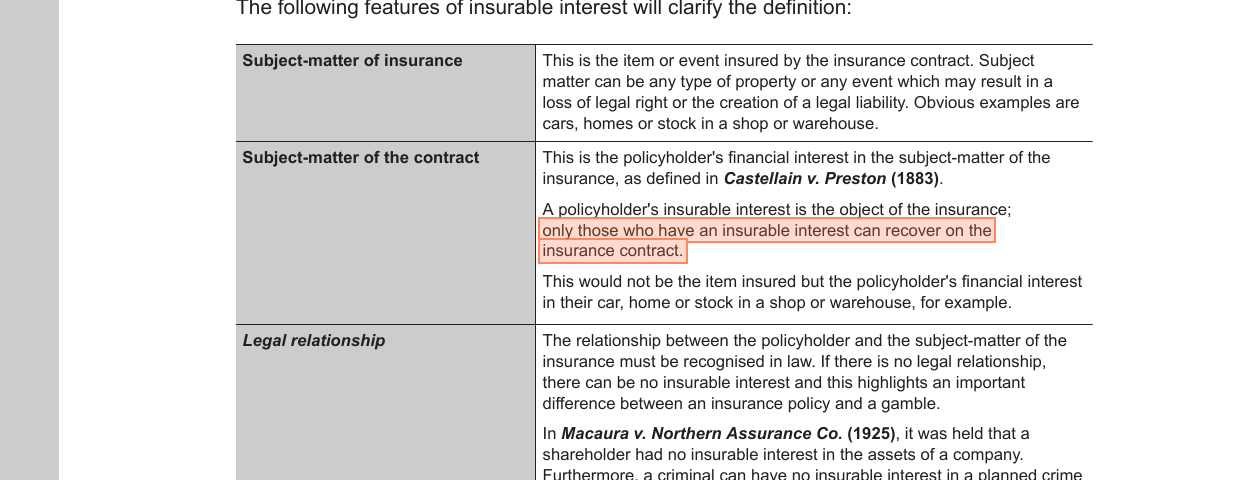
Insurable interest - who can hold the policy
W01 - Award in General Insurance, p.84 · open in the book ↗
only those who have an insurable interest can recover on the insurance contract
The legal frame behind the party-role vocabulary (INSURED, BENEFICIARY): a party's relationship to the risk is what entitles them to recover.
Employer-paid PMI - P11D benefit-in-kind
IF7 - Healthcare insurance products, p.31 · open in the book ↗
Where an employer pays the premium (either in full or in part) for healthcare insurance for an employee, the employee is subject to income tax on the employer's part of the premium as a (P11D) benefit-in-kind
Employer-paid healthcare is a recognised PMI segment with tax mechanics of its own - the commercial reality the scheme models, and a fact billing meets at payroll integration.
The policy schedule shows the limits
IF2 - General insurance business, p.51 · open in the book ↗
The schedule attached to the policy will usually show the applicable limits
Industry practice: the personalised schedule carries the limits. Olly's catalogue-to-Benefit-Schedule rendering is this convention, generated from data.
Provider networks - why insurers run them
IF7 - Healthcare insurance products, p.146 · open in the book ↗
insurers have developed hospital networks, i.e. a list of hospitals with which the insurer has contracts
The industry mechanic behind network_status: a curated provider list is the insurer's cost and quality lever, which is why network membership is a first-class, gated state rather than a directory attribute.
Acceptance puts the contract in force
IF2 - General insurance business, p.148 · open in the book ↗
the contract will be in force from the effective date that has been agreed
The industry mechanic behind quote ACCEPTED -> policy: acceptance is what puts cover in force; the policy document is evidence, not the contract itself. Flow-0's quote-less issuance leans on the same principle.
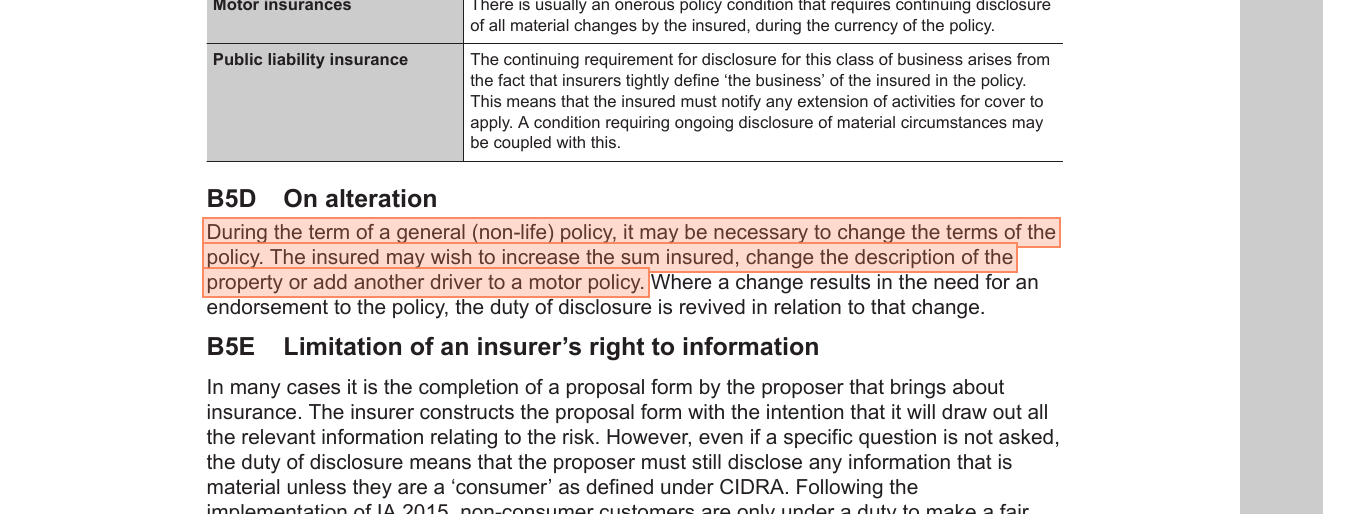
Mid-term alteration and endorsement
IF1 - Insurance, legal and regulatory, p.121 · open in the book ↗
During the term of a general (non-life) policy, it may be necessary to change the terms of the policy. The insured may wish to increase the sum insured, change the description of the property or add another driver to a motor policy.
The industry frame for the transaction ledger: mid-term change is normal and arrives as an endorsement - which is exactly what a policy_transactions row is.
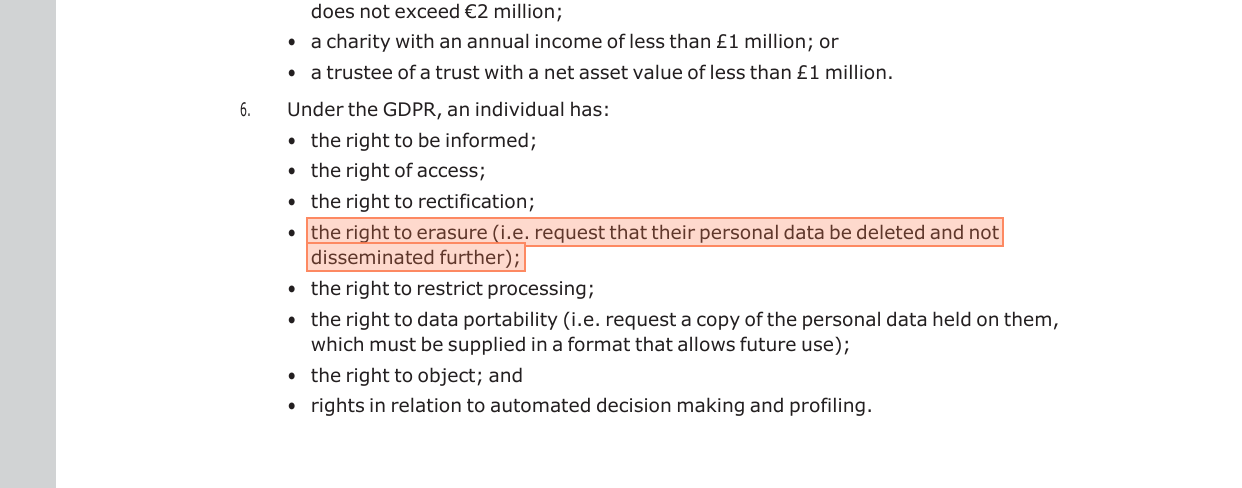
GDPR - the right to erasure
IF2 - General insurance business, p.260 · open in the book ↗
the right to erasure (i.e. request that their personal data be deleted and not disseminated further)
The statutory right behind consent.deletion_requests. The service models the request lifecycle (PENDING/PROCESSING/COMPLETED/FAILED with bounded retries); the erasure execution itself is still consent-local.
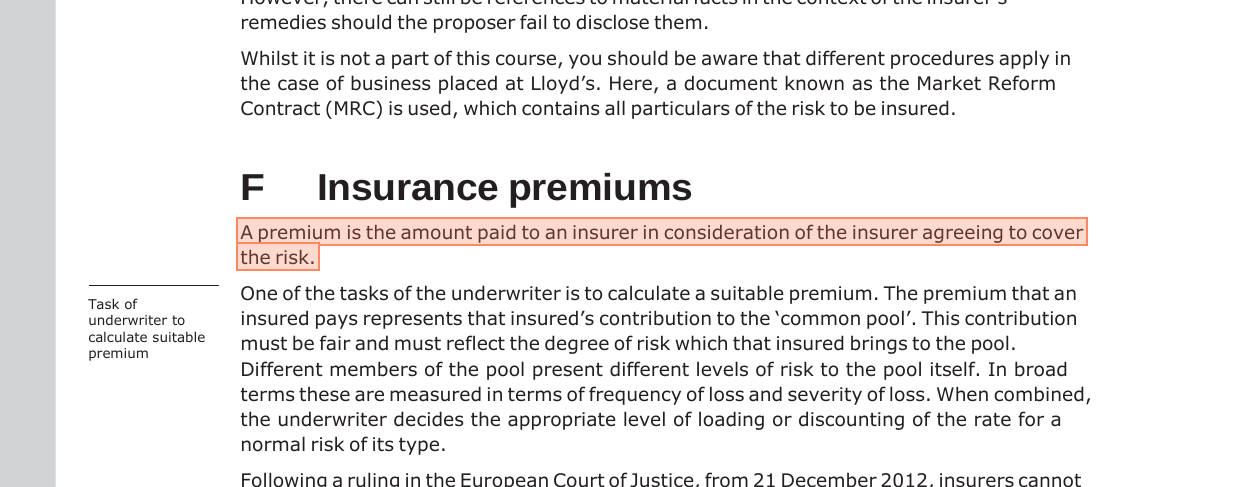
The premium is the consideration
IF2 - General insurance business, p.160 · open in the book ↗
A premium is the amount paid to an insurer in consideration of the insurer agreeing to cover the risk
The contractual frame for billing.charges: a PREMIUM charge row is this consideration made a first-class record - who owes it, for whom, for which month.
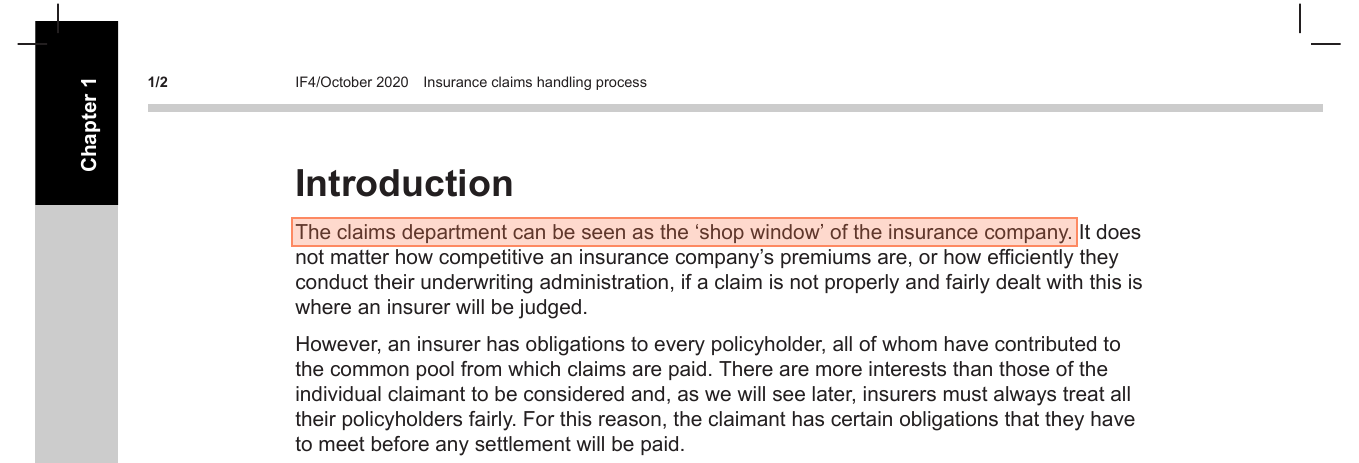
Claims: the insurer's shop window
IF4 - Insurance claims handling process, p.18 · open in the book ↗
The claims department can be seen as the ‘shop window’ of the insurance company
Why the claim trail is first-class: claims are where the insurer is judged, however competitive the premium. Grounds claim_events being written in the same transaction as every status change.